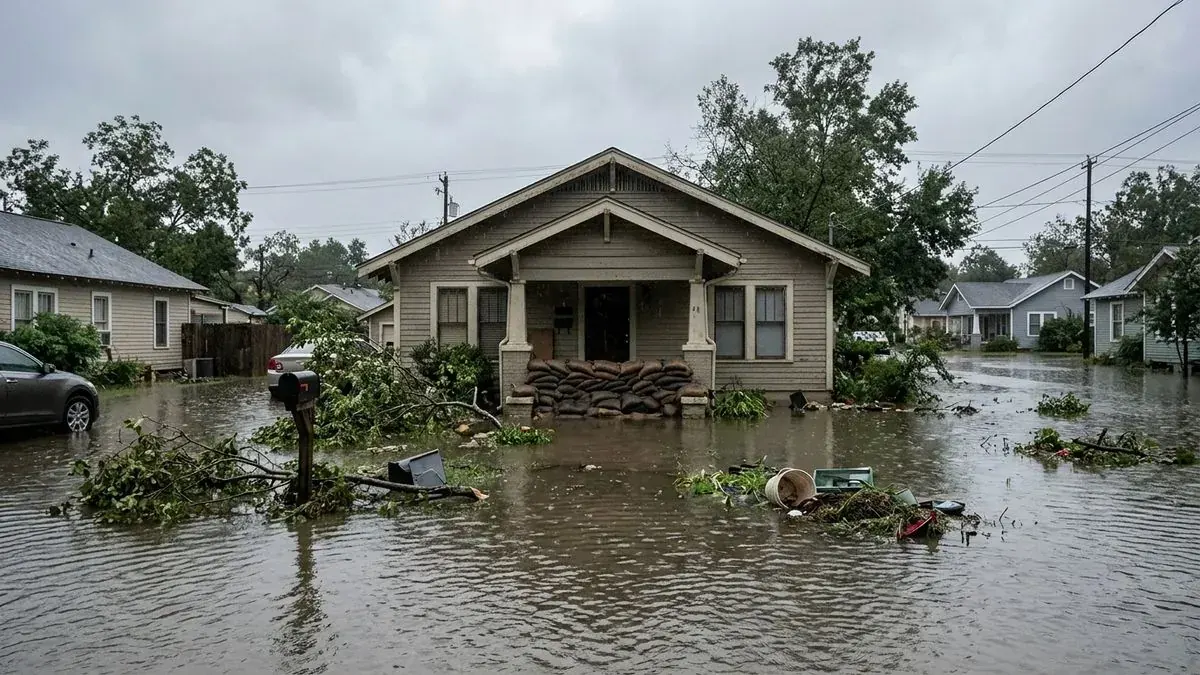
Flood cleanup deals with water that came from outside, such as runoff, a swollen creek or a flash flood. That water is usually contaminated and standard homeowners insurance often does not cover it. Call (833) 768-2790 to reach a local crew.
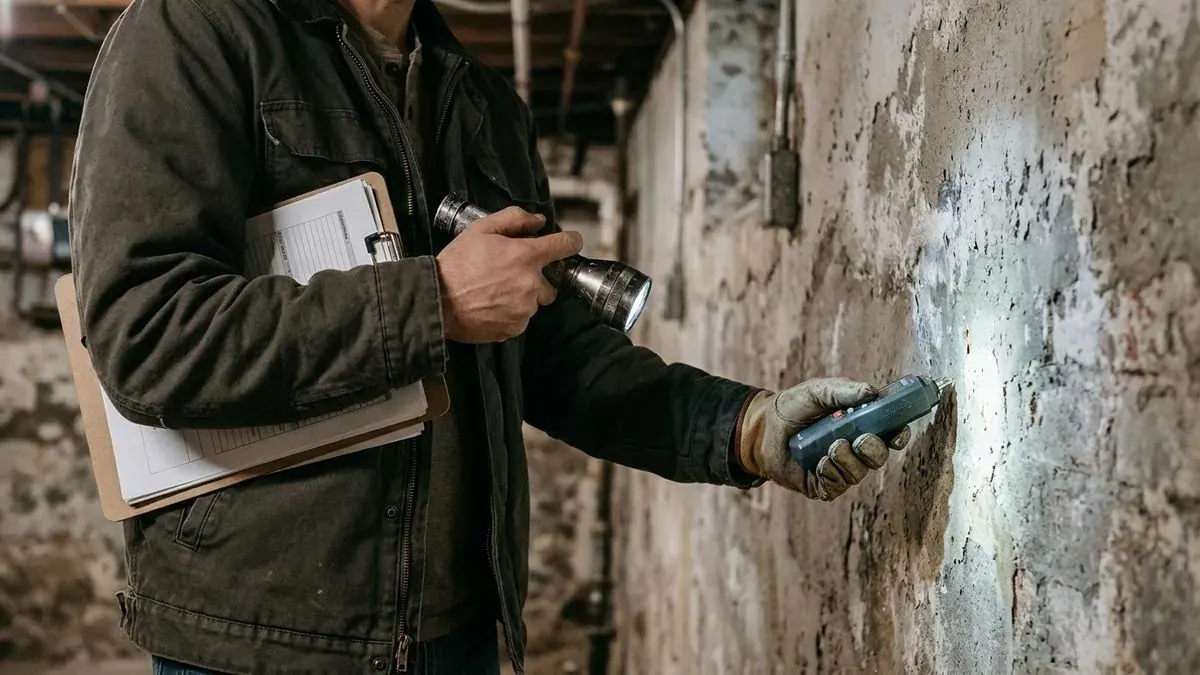
What Flood Damage Cleanup Involves
Flood water carries mud, bacteria and chemicals. Everything it touches has to be treated as contaminated, including drywall, insulation and carpet. Porous materials usually come out, and hard surfaces are cleaned and disinfected before drying begins.
The cleanup often runs in phases. First the mud and debris come out. Then affected materials are removed, the structure is cleaned and treated, and drying starts. Only then can anyone judge what can be saved.
Why This Matters In Utah
Utah floods come from several directions. Fast snowmelt and rain on snow feed canyon streams that run through towns like Provo, Ogden and Logan. Burn scars and dry washes can send flash floods through southern and eastern Utah during monsoon season. According to the Utah Division of Emergency Management, more than 40 percent of Utah flooding happens outside the mapped special flood hazard areas, so you can be at risk without being on a flood map.
Signs You May Need Help
- Muddy water inside the home
- Water lines on walls or the foundation
- A strong earthy or sewage smell
- Cabinets and trim that swell
- Neighbors reporting the same problem after a storm
How The Process Usually Works
- Stay Safe. Avoid moving water and power lines. Wear boots and gloves when you re enter.
- Photograph Everything. Take wide shots and close ups of damage and high water lines before cleanup starts.
- Remove Mud And Debris. Crews shovel and wash out solids and remove ruined contents.
- Clean And Disinfect. Surfaces that stay are cleaned and treated for contamination.
- Dry And Verify. Structural drying follows, then moisture readings confirm the dry standard.
Common Mistakes To Avoid
- Assuming a standard homeowners policy will pay without reading the flood exclusion
- Keeping soaked drywall because it looks fine on the surface
- Letting children play in flood affected rooms
- Applying paint over damp walls
What Affects The Cost
Flood cleanup costs more than clean water losses because contamination adds removal and disinfection steps. The independent company sets the price and a written scope helps you compare. If you have a flood policy, talk to the insurer before major demolition when possible.
Looking for the main page? Visit the call the Utah water damage line or see where we connect callers.
Where We Connect Callers
We list ZIP codes across the state. Popular city pages:
Salt Lake CityWest Valley CityWest JordanSandyProvoOremLehiLaytonOgdenPark CityLoganCedar City
Frequently Asked Questions
Does Homeowners Insurance Cover Flood in Utah?
The Utah Insurance Department notes that standard homeowners policies do not cover flood. A separate flood policy is needed. See our Utah insurance guide.
Is Flood Water the Same as Category 3 Water?
Flood water is generally treated as Category 3 because it picks up contaminants outside. The category guide explains the differences.
How Long Until I Can Move Back In?
It depends on how far the water spread and how much material is removed. The crew can give a realistic estimate after assessing the structure.
Related Services
Water Extraction And Removal
Pumps, wet vacs and truck mounted units that pull standing water out fast.
Sewage Backup Cleanup
Safe cleanup and disinfection when a sewer line or floor drain backs up.
Basement Flooding Cleanup
Utah is a basement state. Pump, clean and dry finished and unfinished basements.
Storm Damage Restoration
Heavy snow, wind, hail and rain damage to roofs, windows and interiors.