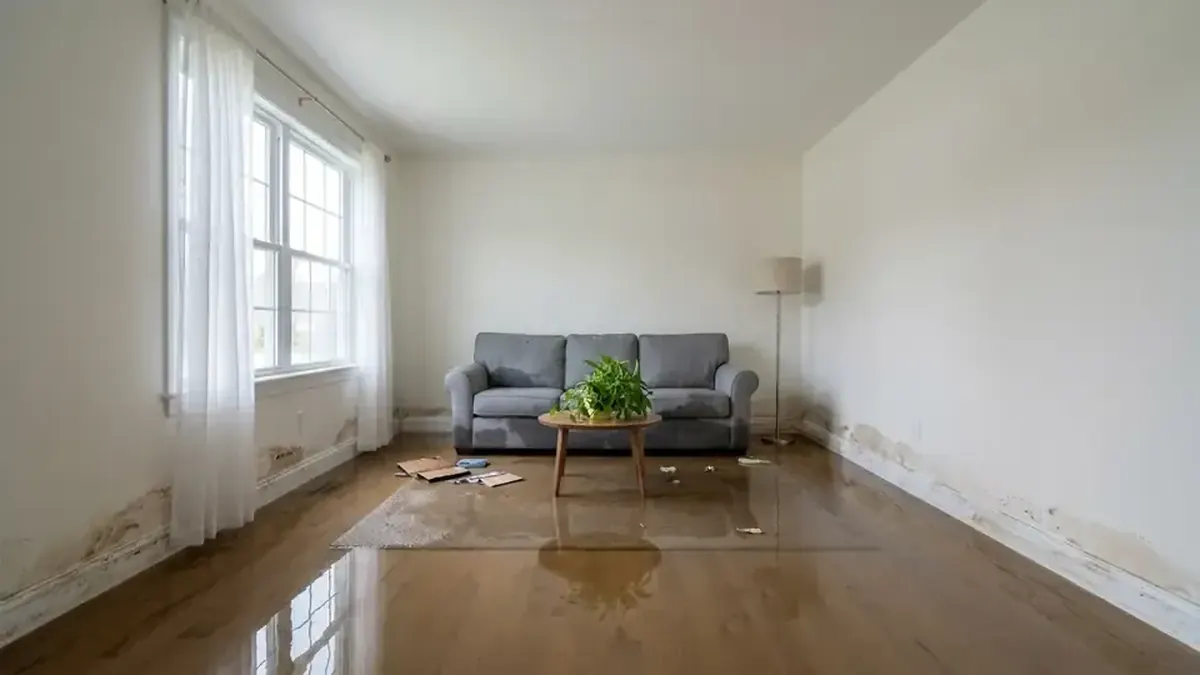
Mold needs moisture. After a leak, mold can begin to grow within a couple of days on wet materials. Fix the water source, dry the area and have a qualified company assess any visible growth. Call (833) 768-2790 for a connection.
What Mold Remediation After Water Damage Involves
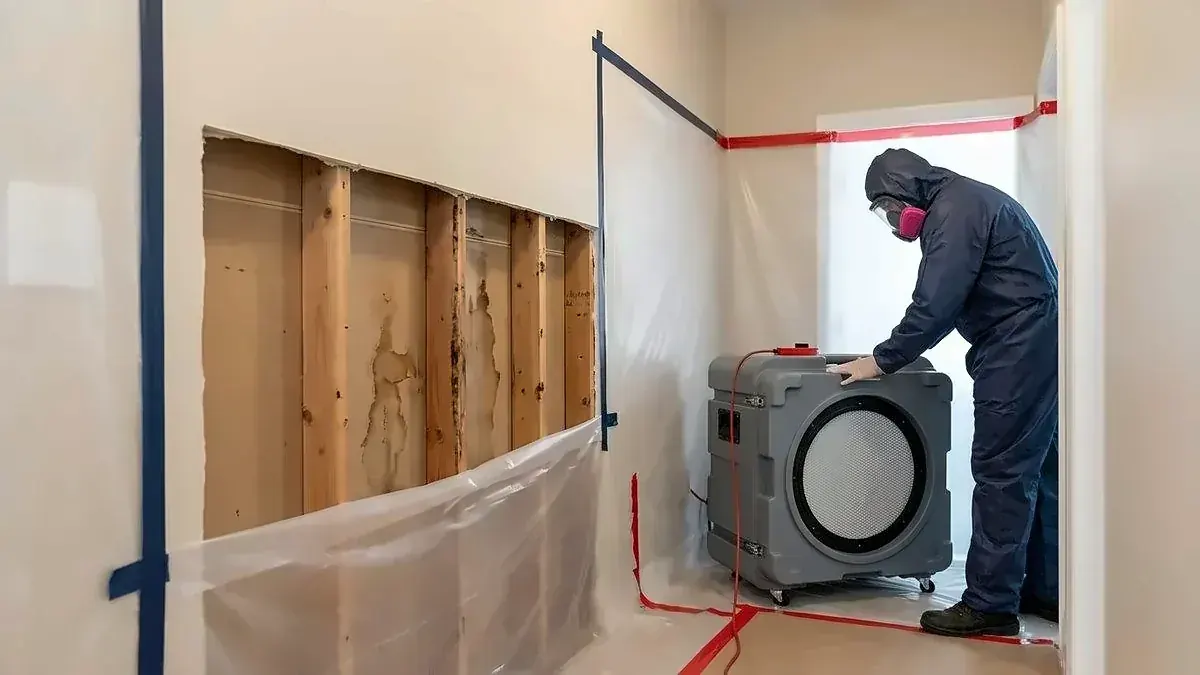
Remediation removes mold growth and fixes the moisture that fed it. Crews usually set containment with plastic sheeting and negative air so spores do not spread. Affected porous materials are removed and surfaces are cleaned with HEPA vacuums and damp wiping.
The industry reference for mold work is the IICRC S520 standard. Utah does not appear to have a separate state mold remediation license, so it matters even more to ask a company about training, insurance and its written protocol.
Why This Matters In Utah
Utah is dry compared to most states, but mold still grows quickly indoors when water gets in. Basements that flood at snowmelt, bathrooms that leak slowly and rooms that were closed off in winter are common sources. Finished basements with carpet over concrete trap moisture easily, and tight modern homes can hold humidity if ventilation is poor.
Signs You May Need Help
- Fuzzy or spotted growth on drywall, trim or ceilings
- A musty smell that gets stronger after rain
- Water stains that return after drying
- Allergy like symptoms indoors that ease outside
- Peeling paint or bubbling wallpaper
How The Process Usually Works
- Fix The Moisture. Stop the leak or humidity problem first.
- Assess. A qualified company identifies the extent of growth and moisture.
- Contain. Plastic barriers and negative air limit spread.
- Remove And Clean. Affected materials are removed and surfaces are cleaned.
- Dry And Verify. The area is dried and checked before repairs and paint.
Common Mistakes To Avoid
- Bleaching mold on porous drywall and calling it done
- Painting over mold
- Disturbing a large area without containment
- Skipping the moisture source repair
What Affects The Cost
Mold work varies a great deal with size and location. The independent company sets the price. Ask whether testing is included and who does it, since an independent tester avoids a conflict of interest.
Looking for the main page? Visit the Utah water damage restoration help or see where we connect callers.
Where We Connect Callers
We list ZIP codes across the state. Popular city pages:
Salt Lake CityWest Valley CityWest JordanSandyProvoOremLehiLaytonOgdenPark CityLoganCedar City
Frequently Asked Questions
Does Utah Require a Mold Remediation License?
Our research did not find a dedicated state mold remediation license. A general contractor license may apply to rebuilding work. Verify any company with the Utah Division of Professional Licensing.
Is Mold Testing Necessary?
Not always. Visible growth and a moisture source often tell the story. Testing can help in specific situations. Ask a qualified assessor.
Will Insurance Pay for Mold?
Coverage varies. Many policies limit or exclude mold unless it follows a covered loss. Ask your carrier.
Related Services
Structural Drying And Dehumidification
Air movers, dehumidifiers and moisture mapping that bring a structure back to normal.
Crawl Space And Basement Moisture
Standing water, damp insulation and humidity under floors.
Basement Flooding Cleanup
Utah is a basement state. Pump, clean and dry finished and unfinished basements.
Wet Drywall, Carpet And Hardwood Damage
What can be dried and what has to be replaced when drywall, carpet or wood floors get wet.